Fragrance, a new branding tool for independent shops
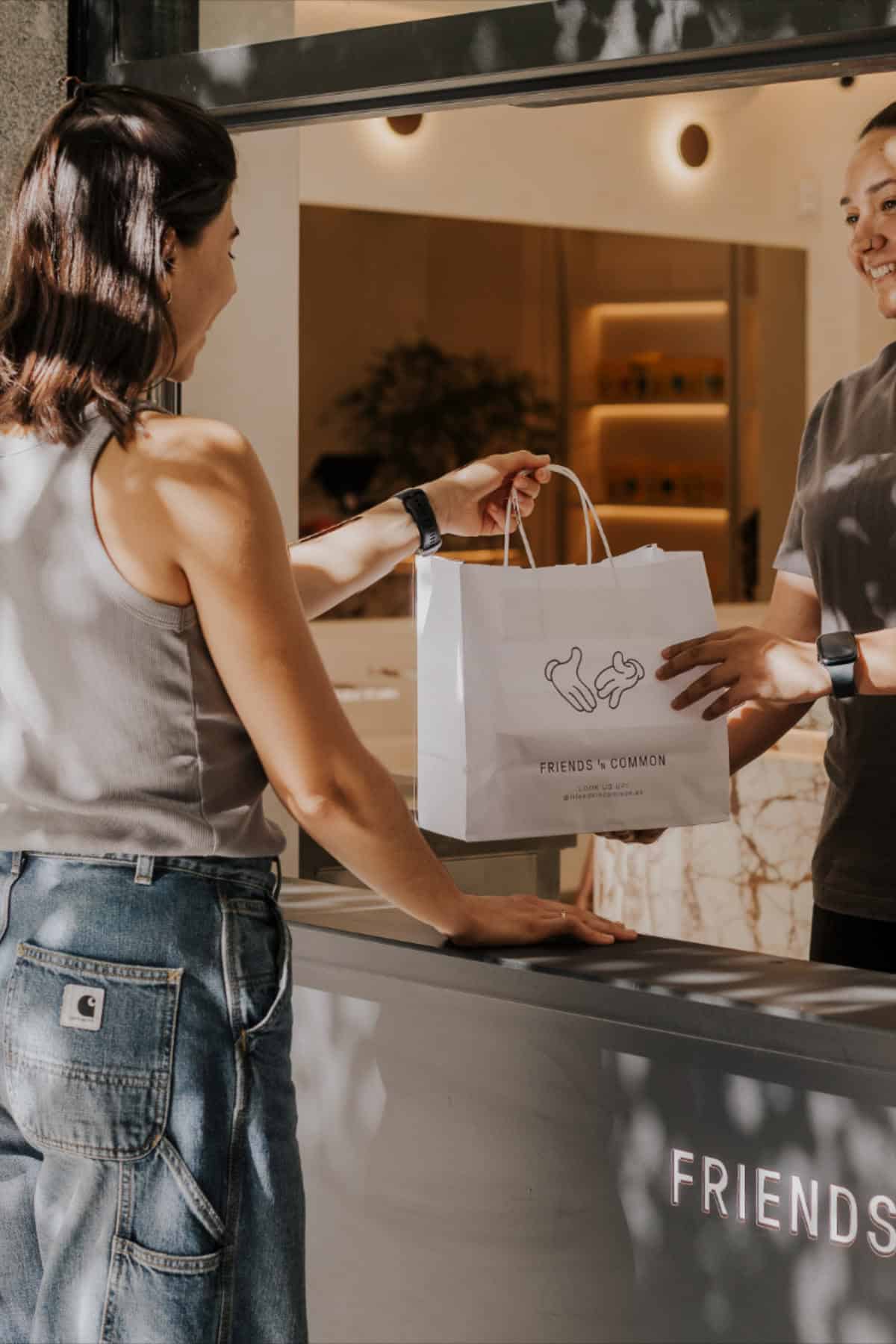
E-commerce has won a battle, but it has lost a war it can never fight: the war of the physical experience. Faced with online giants able to deliver in 24 hours and constantly cut prices, independent shops are looking for new ways to stand out. In 2026, one of the most effective cannot be seen: it can only be smelled.
Scent marketing, long reserved for big brands with large budgets, is becoming accessible to small shops and is changing the way they build customer loyalty.
Why physical retail must reinvent itself
The conclusion is no longer in doubt: the consumer who shops in-store no longer just looks for a product; they are seeking something that the screen cannot offer. A recent report on retail trends for 2026 highlights that retaining a customer in-store today requires abandoning traditional sales methods in favor of offering a truly sensory and memorable experience.
In other words, the physical world must now compete in a terrain that e-commerce does not control: the senses. And among them, smell holds a special place.
Why the sense of smell, exactly?
The sense of smell is the sense that is most directly connected to memory and emotions. That is why a well-constructed sensory ambiance not only makes a place pleasant to visit: it stimulates immediate associations between the brand and a sense of well-being, which naturally leads the customer to stay longer and, therefore, mechanically, to buy more.
This principle is not theoretical at all. Some brands have made it an instantly recognizable signature: a famous American fashion brand, for example, diffused its own fragrance heavily in all its stores, to the point that the scent could sometimes be noticed out in the street. A divisive choice, but one that built an immediately identifiable identity. In a completely different register, a well-known nature-store chain diffuses woody scents together with matching sound and lighting, to recreate the feeling of a walk outdoors right inside the store.
The myth of “I need an international brand budget”
Here is the misconception to debunk: a scent signature is not reserved for large groups.
An independent store needs three things that are much more accessible:
A quality ambient fragrance that is consistent with its brand identity (warmth for a cocooning concept store, freshness and liveliness for a fashion boutique, woodsy for a place focused on nature or wellness…).
A diffuser adapted to the size and configuration of the space, for homogeneous diffusion without saturation.
Regularity: the same scent, diffused continuously, day after day. It is repetition that creates the memory anchor, not intensity.
What this actually means for an independent business:
-A longer visit time. A pleasant olfactory environment naturally keeps the customer in the sales area longer, which mechanically increases the number of purchase opportunities, including unplanned purchases.
-A recognizable identity, without a logo. A consistent and recurring scent becomes, over time, a full-fledged identification signal—just like a color or a typography. The customer unconsciously associates that scent with the brand, long before they even see the display window.
An experience that e-commerce cannot replicate. This is precisely where the competitive advantage lies: a merchant site can copy a price, a product description, and a presentation. It cannot replicate the olfactory ambiance experienced in person.
-A loyalty argument, not just a seduction one. A customer who associates a sense of well-being with a place is more likely to return, recommend it more readily, and generally be more tolerant of any price discrepancies compared to the competition.
Mistakes to avoid!
Scent marketing does not forgive excess. A scent that is too strong, poorly dosed or poorly chosen can have the exact opposite effect: discomfort, unease, even customers leaving early. A few simple principles help avoid this pitfall:
- Prefer a moderate intensity over an overpowering scent trail, especially in a small shop.
-Choose a scent that is consistent with the brand’s identity rather than a generic fragrance that «smells good».
-Adjust the dosage according to the season, the number of people present and the actual size of the space.
In summary
Interior fragrance is no longer a luxury reserved for big retailers: it has become a branding tool within reach of independent shops, provided it is treated as a real strategic lever: consistent, well dosed and diffused over time. At a time when price and delivery speed are no longer enough to make the difference, the in-store sensory experience is becoming one of the last real advantages of brick-and-mortar retail.